
A new school year always brings a mix of excitement and anticipation. It also brings a seemingly endless to-do list. Between organizing your classroom, preparing lesson plans, learning new technology and getting ready to welcome students, it’s easy to feel stretched before the first bell even rings.
The good news? You don’t have to start from scratch.
Fortunately, there are more back-to-school resources available than ever to help make planning easier, boost student engagement and set a positive tone from the very first day. No matter if you’re just starting out or have years of experience, having the right tools at your fingertips means you can spend less time searching for materials and more time focusing on what matters most: supporting your students.
At American College of Education (ACE), we recognize that educators are lifelong learners. Practical classroom strategies are important but so is ongoing professional growth. Continuing to learn and develop new skills helps teachers thrive at every stage of their careers.
Why Quality Back-to-School Resources Matter
Taking time to prepare before students arrive can set a positive tone for the whole year. When you have reliable resources ready to go, it frees up your energy to focus on building relationships, delivering meaningful instruction and meeting your students’ needs.
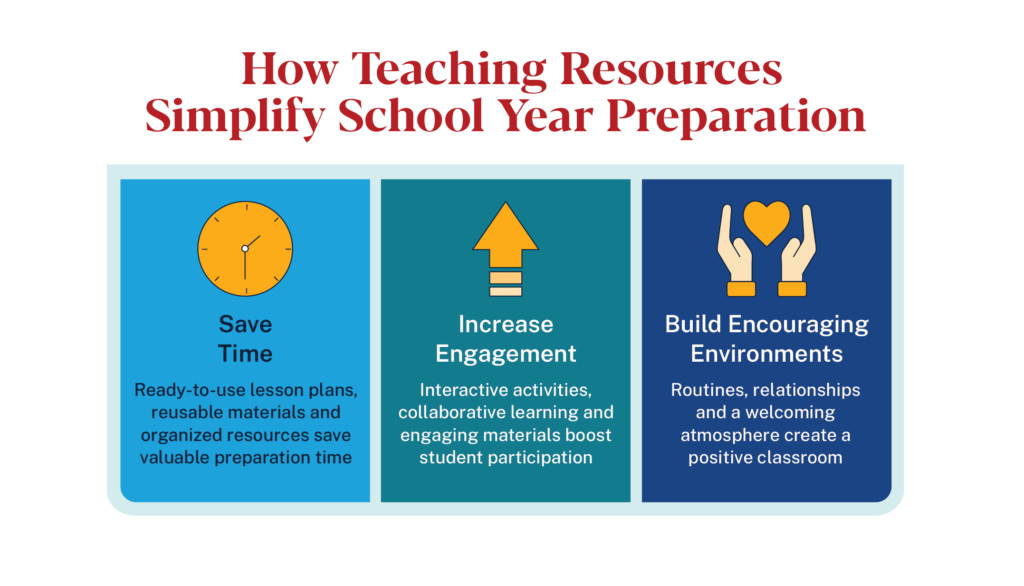
Save Time on Lesson Preparation
Thoughtful planning doesn’t have to mean spending every evening creating new materials.
Ready-to-use lesson plans, curriculum maps, pacing guides and reusable instructional resources provide an excellent foundation that teachers can customize for their students and grade level.
Teacher tip: Try setting up a digital folder for each instructional unit before the year begins. Keeping lesson plans, assessments, slides and classroom resources together in one place can make future planning much quicker and less stressful. If you’re new to the profession, ACE’s ten tips for new teachers offers additional strategies for building confidence during your first year.
Increase Student Engagement
Students tend to be more engaged when they have opportunities to actively participate in their learning.
Interactive activities, collaborative projects, structured discussions and hands-on learning all help students build important skills like communication, creativity and problem-solving. These approaches also keep learning meaningful and relevant.
Build a Positive Classroom Environment
The first weeks of school are about much more than just academics. Taking time to establish routines, get to know your students and create a welcoming classroom space helps build trust and lay the foundation for a learning environment where every student feels valued.
Quick reminder: No classroom is perfectly organized every single day, and that’s completely okay. The real goal is to have systems in place that let you focus on your students, rather than spending time searching for materials.
Essential Teacher Resources for the New School Year
The great news is that there are many teacher resources to choose from to help you start the school year off strong.
Curriculum Planning Resources
When lesson plans, curriculum maps and pacing guides are organized, it’s easier to spend less time preparing and more time responding to your students’ learning needs.
Classroom Organization Tools
Simple tools like seating charts, classroom schedules, daily agendas and classroom procedures help create predictable routines that support student success.
Assessment Resources
Assessment is more than just grading. It’s a way to gather information that helps you make instructional decisions throughout the year. Formative assessments, rubrics, exit tickets and progress-monitoring tools can all give you valuable insight into how your students are learning over time.
Online Teaching Resources That Support Learning
Technology is changing the way we teach and learn, opening up new possibilities for both teachers and students.
Learning Management Systems
Learning management systems make it easier to organize assignments, communicate with students and families, and share instructional resources from one central location.
Digital Learning Platforms
Interactive digital resources can encourage collaboration and make learning more engaging for your students.
For example, for STEM instruction, Class Crunch Labs offers engineering projects and hands-on science experiences that inspire curiosity and problem-solving.
Educational Technology Tools
Tools like presentation software, quiz platforms, digital whiteboards, video-based learning and AI-supported resources can all enhance your instruction when used thoughtfully. If you’re teaching remotely or in a blended environment, ACE’s tips for online teaching success guide provides additional ideas.
Teaching Activities That Build Student Engagement
Getting your students excited from the start of the school year sets the tone for your classroom. As you’re planning, make sure to think about teaching activities to implement and how they’ll encourage participation and active learning.
Icebreaker Activities
Activities like collaborative scavenger hunts, classroom interviews and team-building games can help students feel comfortable and start building a sense of classroom community.
Collaborative Learning Activities
Small-group discussions, peer teaching and project-based learning give students opportunities to learn from each other and strengthen their communication skills.
Problem-Solving Activities
Case studies, inquiry lessons and real-world scenarios invite students to think critically and apply what they’re learning in meaningful, practical ways.
Resources for Supporting Different Learning Styles
Every classroom is filled with students who bring their own unique strengths and learning preferences.
Visual Learning Resources
Graphic organizers, anchor charts, educational videos and infographics can help students make sense of information in a visual way.
Auditory Learning Activities
Discussions, podcasts, presentations, and read-alouds give students chances to process information by listening and talking it through.
Hands-On Learning Experiences
Role play, classroom simulations, learning centers and interactive projects let students make lasting connections by learning through experience. To better understand how students learn, we have a helpful overview of the most popular learning theories.
Classroom Management Resources for Teachers
Effective classroom management is paramount to success in the classroom. When you establish expectations early, you’re already ahead of the game in creating an organized, welcoming learning environment.
Establish Classroom Expectations
When you teach classroom expectations clearly from the start, students know what to expect and can settle into routines more easily.
Encourage Positive Student Behavior
Using positive reinforcement, encouraging accountability and building strong relationships all help create a classroom culture where students can thrive.
Create Efficient Daily Routines
Morning procedures, transition expectations and end-of-day routines maximize instructional time while helping students become increasingly independent.
Back-to-School Resources by Grade Level
Each grade level comes with its own unique priorities and opportunities for growth.
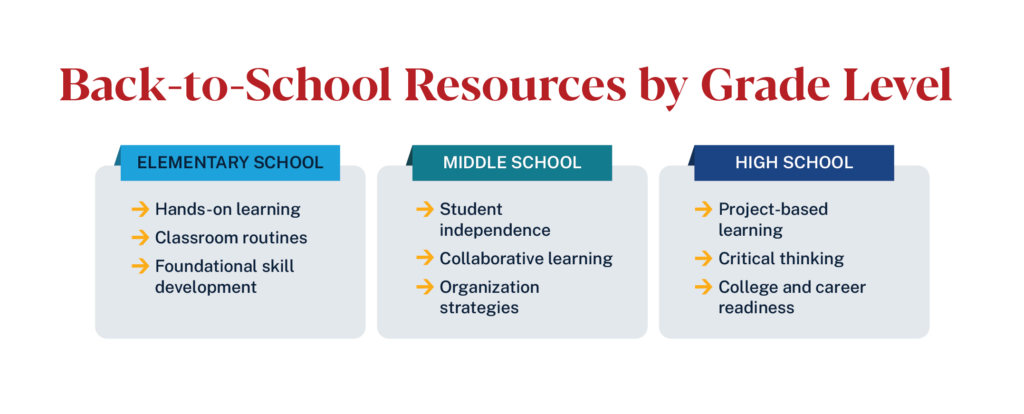
Elementary School
In elementary classrooms, there’s a strong focus on building foundational skills, establishing routines and encouraging hands-on learning.
- Teach Starter offers a full library of activities, icebreakers and more for elementary school teachers
- Create fun worksheets across various subjects with the elementary school section on education.com
Middle School
In middle school, teachers often emphasize organization, collaboration and helping students become more independent.
- Build practice sheets in spelling, reading comprehension, math and more with the middle school section on education.com
- Grab the latest strategies and resources designed for middle school students at sharemylesson.com
High School
High school instruction often centers on project-based learning, developing critical thinking and preparing students for college and careers.
- Explore activities, lesson plans and resources on sharemylesson.com that cater to high school students
- Find printable worksheets, lesson plans and resources on teach.nology.com
FAQs
How can teachers find free classroom resources online?
Many educational organizations, museums, nonprofit organizations and professional associations provide free lesson plans, printable activities and instructional materials. Connecting with other educators through professional learning communities is another great way to discover high-quality resources.
What should teachers prepare before students arrive on the first day?
Prepare lesson plans, classroom procedures, technology, communication materials, seating arrangements and introductory activities. Investing time before students arrive creates a smoother, more welcoming first week.
How often should teachers update their classroom resources?
Review resources at the beginning of each school year to ensure they align with current standards, instructional goals, student needs and available technology.
What makes a teaching resource effective?
The best teaching resources align with learning objectives, actively engage students, adapt to different students and support meaningful instruction.
How can teachers evaluate whether a classroom activity supports learning objectives?
Start by identifying the intended learning outcome, then determine whether the activity gives students an authentic opportunity to demonstrate the targeted knowledge or skill. Formative assessments and classroom observations provide valuable evidence of effectiveness.
How can teachers balance using digital resources with traditional teaching methods?
Technology is most effective when it enhances, not replaces, excellent teaching. Combining digital tools with discussion, writing, hands-on learning and collaborative activities creates richer learning experiences for all students.
American College of Education offers affordable programs designed to take your education career to the next level. With fully online courses and local hands-on experiences in select programs, you can reach your professional goals and keep your teaching schedule intact.