
Human resource (HR) leaders today are expected to do far more than manage hiring, policies and compliance. As organizations grow, HR teams play a larger role in shaping culture, developing leaders, improving retention and helping organizations scale effectively.
Building that kind of HR function is not always straightforward, especially during periods of rapid growth.
At American College of Education (ACE), Chief Human Resources Officer KK Guess has spent more than a decade helping transform the organization’s HR approaches from an outsourced transactional department into a strategic business partner embedded internally. During a recent episode of “The HR Grapevine Podcast,” Guess reflected on ACE’s growth from roughly 90 employees to nearly 800 faculty and staff members while developing a mission-driven remote culture focused on serving working adult learners.
ACE’s experience offers practical lessons for leaders looking to build or modernize their own HR function while maintaining a strong employee experience and culture along the way.
Start With Trust Before Building Processes
Why Employee Trust Is the Foundation of HR
When Guess joined ACE more than 11 years ago, the organization was outsourcing its HR function, leaving many employees with little experience working alongside an in-house HR team.
Rather than starting with systems or policies during this change, Guess focused first on building trust.
At the time, ACE employed roughly 90 people, which gave her the opportunity to meet employees individually and establish HR as a partner instead of a gatekeeper. That early focus helped shape how employees experienced HR as the organization continued growing.
As ACE scaled, that trust became foundational. Employees were more open to new policies, processes and organizational changes because they understood HR’s role and felt supported throughout the transition.
How HR Leaders Can Build Trust Early
Organizations building an HR function often focus first on systems, policies and structure. Guess’s experience suggests trust-building deserves just as much attention early on. For HR leaders, that can look like:
- Communicating HR’s role clearly
- Meeting employees directly
- Learning names, roles and pain points
- Following through on commitments
- Applying policies consistently
- Listening before implementing major changes
Build the HR Foundation: Compliance, Consistency & Structure
Why Compliance Comes First When Building HR From Scratch
Guess’s next priority was building the structure needed to support a growing organization. She shared in the podcast discussion that it started with compliance, consistency and clear policies. One of the first major steps was creating a formal employee handbook that centralized workplace expectations, policies and procedures.
As ACE expanded across multiple states, that structure became even more important. Employment laws, leave requirements and compliance expectations can vary widely across jurisdictions, especially in remote organizations.
Guess said establishing those foundational systems early helped create a more consistent employee experience as the organization continued scaling.
Creating Repeatable HR Processes for a Remote Workforce
As ACE expanded its remote workforce, the HR team focused on building systems that could scale alongside the organization while still creating a consistent employee experience. That included creating repeatable processes around:
- Onboarding
- Recruiting
- Employee policies
- Leadership development
- Multi-state compliance
- HR technology and automation
The goal was to ensure employees experienced the same level of support and structure from recruitment through long-term career development, regardless of where they lived or worked.
Move From Reactive HR to Proactive People Strategy
What It Means for HR to Become a Strategic Partner
As ACE grew, HR evolved from a reactive support function into a proactive strategic partner across the organization.
Today, the HR team is involved in workforce planning, leadership development, employee engagement and culture initiatives throughout ACE. That evolution also brought greater focus to succession planning, workforce development, internal mobility and data-informed decision-making.
According to Guess, HR had to evolve alongside the organization instead of remaining focused solely on administrative responsibilities. She emphasized that strategic HR requires adaptability as workforce needs, organizational priorities and employee expectations continue to change.
Using Data to Guide HR Priorities
One of the biggest shifts at ACE involved using data to guide HR strategy and decision-making.
The HR team regularly reviews engagement survey results, employee feedback, retention trends, participation rates and leadership development outcomes to better understand employee experiences across the organization and identify areas needing attention.
That shift allows leaders to anticipate workforce needs earlier instead of reacting after challenges emerge, which is why Guess called it a game changer.
Invest in Leadership Development to Scale Culture
Why Leadership Development Matters in a Growing Organization
As ACE continued growing, leadership development became a larger priority across the organization.
Guess said ACE invested intentionally in leadership development through its Leadership Development Program, which supports both current leaders and employees showing leadership potential. The program is designed to help employees grow into leadership roles while reinforcing the culture, expectations and people-first approach ACE wants leaders to model across the organization.
Making Leadership Development Part of Workforce Planning
ACE’s approach also highlights the importance of treating leadership development as part of long-term workforce planning instead of a standalone initiative.
According to Guess, organizations should identify emerging leaders early and create clear pathways for employees to build leadership skills over time. At ACE, leadership development opportunities are available to both current leaders and employees showing leadership potential.
Guess also emphasized the importance of connecting leadership development to organizational culture and mission so future leaders understand not just how to manage teams, but how to reinforce the employee experience and values the organization wants to create.
Create a Mission-Driven Culture Employees Can Feel
Making the Mission Real, Not Just a Statement
ACE’s mission centers on providing accessible, affordable higher education for working adults. According to Guess, many employees have been in that position themselves, helping them closely connect to the mission.
Guess explained that leaders consistently evaluate decisions through the lens of student experiences and cost, helping employees connect their work to student outcomes and long-term career impact.

If we are making our decisions with the student in mind from the very top, we're asking our leaders to do that throughout the organization, and our employees at every level feel that. We create opportunities for employees to engage with our mission daily – whether that's through storytelling, impact initiatives, or simply just understanding how their daily work contributes to our students walking across the stage at commencement.
KK Guess
Learn More About KKCulture Is Everyone’s Responsibility
HR should not be the sole keeper of organizational culture. At ACE:
- Leaders model organizational values
- Employees reinforce culture daily
- HR supports and enables culture-building efforts
That shared ownership is especially important in remote organizations where culture must be built intentionally across teams and experiences.
Use Employee Engagement Data to Measure What Matters
Track Engagement, Participation and Retention
ACE relies heavily on employee engagement data to measure organizational health and identify opportunities for improvement. The organization partners annually with Energage to conduct engagement surveys and gather employee feedback, with participation rates consistently approaching 90%, according to Guess. That level of participation gives ACE strong visibility into employee experiences across the organization.
Findings from the Energage Culture Trends Q4 2025 report showed:
- 93% of employees believe ACE operates by strong values
- 91% say their jobs are meaningful
- 89% are satisfied with work-life flexibility
- 88% believe ACE prioritizes employee well-being
- 85% express confidence in organizational leadership
Turn Survey Feedback Into Action
Guess emphasized that surveys are only valuable if organizations use the results to make meaningful improvements.
Beyond engagement scores, employee comments and feedback help HR teams identify recurring concerns, emerging workforce needs and opportunities to improve the employee experience. That open dialogue also helps organizations move from reactive decision-making to more proactive workforce planning and culture-building strategies.
Support Career Growth Through Internal Mobility & Upskilling
Using Performance Conversations to Discuss Growth, Not Just Evaluate
ACE intentionally moved away from traditional annual reviews in favor of more frequent career-focused conversations.
According to Guess, those discussions give employees more opportunities to talk about career growth, development interests and long-term goals throughout the year while creating greater visibility into internal mobility opportunities across the organization.
Building Retention by Investing in Employees
In 2025, ACE created a dedicated upskilling budget that allows employees to pursue learning opportunities aligned with career goals and business needs. Guess shared one example involving a marketing employee who used ACE’s tuition reimbursement program to complete IT coursework and eventually transition into a technical role.
According to Guess, investing in employee growth helps strengthen internal talent pipelines while improving retention and engagement.
Modernize HR Technology Without Losing the Human Element
How AI and Automation Can Free HR for Strategic Work
Like many organizations, ACE continues to modernize its HR technology infrastructure. Guess discussed the organization’s focus on using artificial intelligence (AI) and automation to reduce transactional workloads, improve operational efficiency and create more capacity for strategic HR initiatives.
Balancing Personalization and Efficiency
While technology plays an increasingly important role in HR operations, Guess emphasized that the goal is not replacing human connection. Instead, ACE is focused on using automation and data more effectively so HR teams can spend more time supporting employees, developing leaders and creating more personalized experiences across the workforce.
Lessons for HR Leaders Building a Scalable HR Function
- Be adaptable: As organizations evolve, HR leaders must continue learning and adapting alongside them rather than relying on outdated approaches or processes
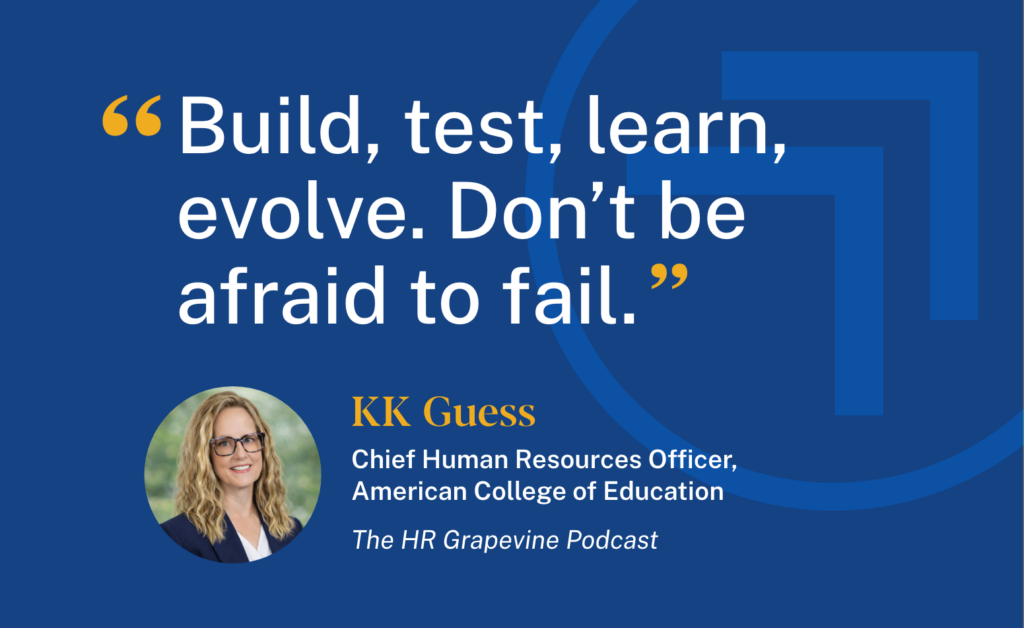
- Do not let perfection slow progress: Guess’s advice was straightforward – build, test, learn and evolve rather than waiting for perfect systems or processes before moving forward
- Remember the human behind the employee number: This is especially important in remote organizations, where maintaining connection and trust requires intentional effort
Conclusion
Building a strategic HR function requires more than policies and operational processes. ACE’s experience shows that long-term growth depends on trust, leadership development, mission alignment, employee engagement and the ability to adapt as workforce needs evolve.
For HR leaders navigating similar growth challenges, the takeaway is clear: HR becomes most effective when a people strategy is directly connected to organizational purpose and long-term outcomes.
Key Takeaways for HR Leaders
What is a strategic HR function?
A strategic HR function aligns practices with business goals. Beyond administrative responsibilities, strategic HR teams help support workforce planning, leadership development, employee engagement, retention, culture and long-term organizational growth.
Why is trust important when building an HR department?
Employees are more likely to embrace new policies, processes and organizational changes when they see HR as a trusted partner rather than a gatekeeper.
How can HR support culture in a remote workforce?
Remote culture requires intentional communication, consistent leadership and shared accountability across the organization. Culture is not owned by HR alone: Leaders help model organizational values while employees reinforce culture through day-to-day interactions, communication and collaboration.
What HR metrics should organizations track?
Important HR metrics should help leaders better understand employee experience and guide decision-making. They can include employee engagement rates, survey participation rates, employee Net Promoter Scores (eNPS), retention and regrettable turnover, internal mobility trends, leadership development participation, and employee feedback themes.
How can HR improve retention?
Retention improves when organizations invest in employee growth, leadership development and internal mobility opportunities. At ACE, workforce development initiatives, tuition reimbursement and upskilling opportunities all support long-term employee engagement and retention.
American College of Education (ACE) boasts an award-winning work culture that centers around a mission to provide accessible degree programs designed for working adults. To browse career opportunities, visit our Careers page.