Corporate Trainer Career Guide
Here’s what you need to know.
Toggle Navigation
Our Enrollment Counselors are here to answer your questions and walk you through the enrollment process.
Corporate Trainer Career Overview
In many organizations, success depends on how well employees can adapt, learn and perform in a changing environment. New systems, evolving processes and shifting business goals all require teams to stay informed and capable. That is where corporate trainers come in.
Companies rely on these professionals to build skills across the workforce, support professional development and ensure employees are prepared to meet expectations. From onboarding new hires to guiding leadership development, corporate trainers play a direct role in shaping how work gets done.
As businesses continue to invest in training and development, the demand for individuals who can educate employees and improve performance has grown. Learn more about corporate trainers, how to become one and what life in the field can be like.
What Is a Corporate Trainer?
Corporate trainers play a key role in helping organizations maintain a skilled and adaptable workforce. Their work is centered on employee training, professional development and improving how teams perform in day-to-day operations.
In many organizations, corporate trainers design and lead training sessions that support both new hires and experienced employees. They may introduce new systems, reinforce company policies, or help teams strengthen leadership and communication skills.
Corporate trainers are also involved in broader training and development initiatives. They often collaborate with managers and human resources professionals to identify skill gaps and create learning programs that align with business goals.
What Does a Corporate Trainer Do?
Corporate trainers are responsible for guiding how employees learn within an organization. Their responsibilities can vary by industry, but the goal remains consistent. They help employees develop the skills needed to succeed in their roles and contribute to broader business objectives.
Core Duties and Responsibilities
Corporate trainers are responsible for a range of tasks that support employee training and development. These include:
- Design training programs that meet business needs
- Trainers assess what employees need to learn and build structured programs that address those gaps. This often includes creating lesson plans, materials and measurable learning outcomes.
- Lead training sessions in different formats
- Corporate trainers deliver content through in-person workshops, virtual sessions or self-paced online modules. Each format requires a different approach to engagement and communication.
- Develop instructional design materials
- This can include presentations, training manuals and interactive content that supports learning. Strong instructional design ensures information is clear and easy to apply.
- Assess performance gaps within teams
- Trainers work with leadership to identify where employees may need additional support. This might involve reviewing performance data or gathering feedback from managers.
- Collaborate with human resources and leadership
- Training programs are often tied to broader organizational goals. Trainers work closely with HR teams and department leaders to align learning with company priorities.
- Evaluate training effectiveness
- After a training session, trainers measure results through assessments, feedback and performance improvements. This helps refine future programs.
- Support onboarding and leadership development
- Many corporate trainers help new employees adjust to their roles and guide experienced staff as they move into leadership positions.
Work Environment Variations
Corporate trainers work in a variety of environments depending on the organization:
- Corporate offices: Many trainers work within large organizations where they support ongoing employee training initiatives.
- Remote and hybrid environments: Virtual training has become more common, allowing trainers to educate employees across multiple locations.
- Nonprofit organizations: Trainers may focus on mission-driven education and workforce development programs.
- Government agencies: Public sector roles often involve compliance training and policy education.
- Consulting or contract roles: Some corporate trainers work independently, providing services to multiple organizations.
Essential Skills for Corporate Trainers
Corporate trainers rely on a combination of interpersonal and technical abilities to guide learning effectively. These skills influence how training sessions are delivered and how well employees are able to apply what they learn.
Understanding these traits can help you evaluate whether this career aligns with your strengths and identify areas you may want to develop over time.
Essential Soft Skills
Corporate trainers rely on strong interpersonal abilities to connect with learners and guide them through new concepts:
- Public speaking and presentation skills: Trainers must communicate clearly and confidently when leading a training session. This helps keep participants engaged and focused.
- Communication and interpersonal skills: The ability to explain complex ideas in simple terms is essential when working with diverse groups of employees.
- Leadership and facilitation abilities: Trainers guide discussions, manage group dynamics and encourage participation during sessions.
- Adaptability and creativity: Not all learners respond the same way, so trainers must adjust their approach and find new ways to present information.
- Time management and organization: Planning training sessions, managing schedules and meeting deadlines all require strong organizational skills.
Important Technical Skills
In addition to soft skills, corporate trainers need technical knowledge to design and deliver effective programs:
- Instructional design principles: Understanding how people learn helps trainers create structured and engaging content.
- Learning management systems: Many organizations use digital platforms to deliver training and track progress. Trainers need to be comfortable using these tools.
- Curriculum development: Creating a full training program requires organizing content in a way that builds knowledge step by step.
- Performance assessment methods: Trainers evaluate whether employees are learning and applying new skills.
- Data analysis for training outcomes: Reviewing results helps trainers improve programs and demonstrate their impact.
How These Skills Apply on the Job
These skills come together in daily corporate training work through activities such as:
- Leading engaging training sessions: Trainers combine communication skills and instructional techniques to keep employees involved.
- Developing employee training programs: They create content that supports both short-term learning and long-term growth.
- Aligning corporate training with business goals: Programs are designed to support productivity, efficiency and overall performance.
- Improving workforce performance through education: Effective training helps employees feel more confident and capable in their roles.
Corporate Trainer Education Requirements
Education provides the foundation for a career in corporate training. While experience plays an important role, formal learning helps build the knowledge needed to design and deliver effective training programs.
Minimum Education Requirements
A bachelor’s degree is typically expected for entry into this field. Common areas of study include business administration, human resources, communications and education.
Preferred Education Pathways
Many professionals pursue a degree in business to build a strong foundation for corporate training roles. Coursework in leadership, management and organizational behavior can be especially relevant. Want to learn more about business-focused programs at American College of Education (ACE)? Explore our bachelor’s degree options here.
Certifications and Training Options
Some corporate trainers choose to enhance their credentials through certifications. Some of the most popular and impactful professional development options include:
- Certified Professional in Learning and Performance: This certification focuses on training and development best practices.
- Instructional design certifications: These programs help trainers improve how they create learning materials.
- Continuing professional development credentials: Ongoing education allows trainers to stay current in the field.
Learn more about specialized education in corporate training.
How to Become a Corporate Trainer
Becoming a corporate trainer involves building a combination of education, experience and specialized skills. While there is no single path, most professionals follow a progression that prepares them for this role over time.
- Earn a Relevant Degree
A strong starting point is earning a degree in business or a related field. This helps you build foundational knowledge in leadership, communication and organizational structure, all of which are essential in corporate training roles.
- Gain Experience in Training or Human Resources
Hands-on experience is an important part of becoming a corporate trainer. Many professionals begin in entry-level roles within human resources or training departments, where they gain exposure to employee training programs and workplace learning strategies. Working alongside experienced professionals also provides insight into how training supports broader business objectives.
- Develop Instructional Design Skills
Corporate trainers are responsible for more than delivering content. They also design training programs that are structured, engaging and effective. Developing instructional design skills helps you understand how to organize information and present it in a way that supports learning.
- Apply for Corporate Trainer Positions
Once you have built a combination of education and experience, you can begin applying for corporate trainer roles. Opportunities can be found in corporate training departments, consulting firms and nonprofit organizations.
Each environment may offer a different focus, but all rely on the ability to educate employees and support development initiatives. - Advance With a Graduate Degree
For those interested in leadership roles or long-term career growth, pursuing a graduate degree can provide additional opportunities. Advanced education can help deepen your understanding of organizational leadership or instructional design. Learn more about ACE business master’s degrees and doctoral degrees.
Day-in-the-Life & Real-World Scenarios
Corporate training is a dynamic role that combines preparation, instruction and collaboration. Each day can look different depending on the organization and current training priorities.
A Typical Workday
- Preparing materials for upcoming sessions
- Leading a training session for employees
- Meeting with leaders to discuss training needs
- Reviewing feedback and adjusting programs
Real-World Examples
- Rolling out a company-wide software training initiative
- Leading leadership development workshops
- Designing onboarding programs for new employees
What Success Looks Like in the Role
- Improved employee performance
- Higher engagement and retention rates
- Stronger organizational culture
- Measurable professional development outcomes
Related Degree Programs
Pursuing additional education can strengthen your qualifications and support long-term career advancement. ACE programs in business, leadership and instructional design are especially relevant for this field:
- Bachelor of Arts in Professional Studies
- Bachelor of Science in Business Administration and Leadership
- Master of Science in Organizational Leadership
- Master of Business Administration
- Master of Education in Instructional Design and Educational Technology
- Education Specialist in Instructional Technology
- Education Specialist in Leadership
- Doctor of Education in Instructional Technology
- Doctor of Education in Leadership
- Doctor of Business Administration
Corporate Trainer Salary and Job Outlook
Professionals working in corporate training are part of a broader occupation category known as training and development specialists.
Factors That Influence Salary
- Education level
- Industry
- Years of experience
- Certifications
- Company size
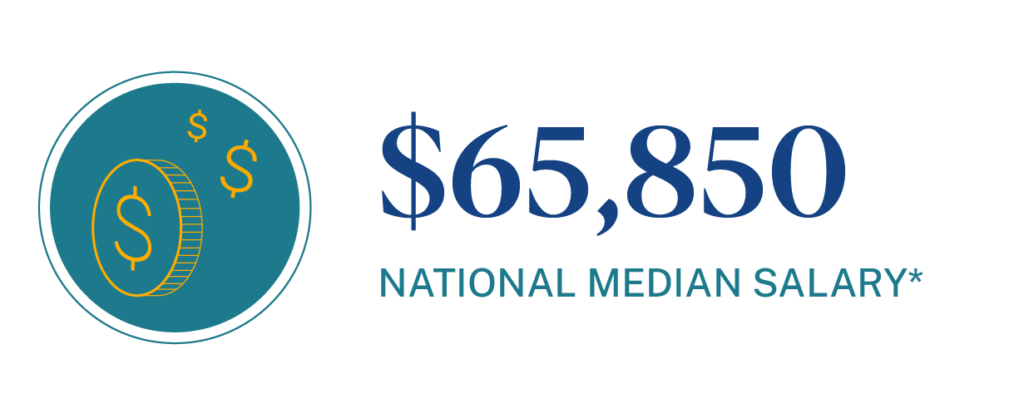

According to the United States Bureau of Labor Statistics, these professionals earned a median annual wage of $65,850 as of May 2024.* This wage is based on experience, industry and location.
Employment is projected to grow by 11 percent, reflecting increasing demand for employee training and development. This growth represents roughly 43,900 job openings expected each year from 2024-2034.*
*Bureau of Labor Statistics. Accessed March 31, 2026.
FAQs
What is a corporate trainer?
A corporate trainer develops and delivers training programs that help employees improve performance.
What does a corporate trainer do?
They design training sessions, educate employees and evaluate results.
How to become a corporate trainer?
Earn a degree, gain experience and develop instructional design skills.
What degree is best for corporate training?
A degree in business, human resources or education provides a strong foundation.
Build the Skills That Shape Workplace Success
Organizations are placing greater value on employee development and performance, and corporate trainers continue to play an important role in that shift. As companies invest more in training and development, there is a growing need for professionals who can guide learning, support teams and improve workplace outcomes.
If you are ready to move forward in a corporate trainer career, the right program can help you get there. ACE’s flexible online business degree programs are designed for working professionals who want to build skills that matter.