Career Guide: Chief Learning Officer
Here’s what you need to know.
Toggle Navigation
Our Enrollment Counselors are here to answer your questions and walk you through the enrollment process.
What Is a Chief Learning Officer?
A chief learning officer (CLO) is a senior executive responsible for shaping how an organization develops its people. They lead enterprise-wide learning strategies that drive employee performance, leadership development and long-term business growth.
The chief learning officer definition extends beyond traditional training oversight. They serve as the learning and development leaders within an organization, at the intersection of talent development, business strategy and organizational transformation. They design and scale learning initiatives that help employees build the skills needed to meet evolving business demands.
In practice, that means overseeing training and development programs, guiding employee skills development, and ensuring that learning programs align with company goals. CLOs also play a central role in building a culture of continuous learning where professional development is embedded into daily work.
As organizations invest more in leadership development and learning technologies, CLOS have become a critical voice in executive decision-making. From implementing data-driven learning systems to shaping workforce strategy, the role continues to expand in both scope and influence.
What Does a Chief Learning Officer Do?
Most chief learning officer job descriptions center on one core responsibility: ensuring that learning and development efforts directly support business outcomes.
Core Duties and Responsibilities
A CLO’s work is both strategic and operational, spanning multiple layers of the organization:
- Developing company-wide learning strategies and training programs
- Owning leadership development and talent development initiatives
- Designing learning experiences that support skill development and continuous learning
- Overseeing learning technologies and data-driven learning programs
- Evaluating training effectiveness and employee development outcomes
- Collaborating with executives, human resources (HR) and department managers
- Managing budgets and teams responsible for training and development
At this level, the CLO role is less about delivering training directly and more about creating systems that scale learning across the enterprise.
Work Environment Variations
Chief learning officers work across a wide range of industries and organizational structures, including:
- Large corporations and multinational companies
- Educational institutions and training organizations
- Consulting and leadership development firms
- Technology companies implementing learning technologies
- Nonprofit and government organizations
Skills & Traits That Make a Successful CLO
Success as a chief learning officer depends on a blend of leadership, strategy and technical expertise.
Essential Soft Skills
- Strategic leadership and vision
- Communication and executive-level collaboration
- Change management and adaptability
- Critical thinking and problem-solving
- Ability to foster a culture of continuous learning
Important Technical Skills
- Learning management systems (LMS) and learning technologies
- Data-driven learning and analytics
- Instructional design and training program development
- Talent development and workforce planning
- Organizational growth strategies
How These Skills Apply on the Job
CLOs design learning strategies that align with business goals, lead global learning initiatives and leadership development programs, and use performance data to refine training approaches. They also play a key role in workforce transformation, helping organizations respond to shifting skill demands through targeted employee development programs.
Chief Learning Officer Education Requirements
If you’re exploring how to become a chief learning officer, education and experience both play critical roles.
Minimum Education Requirements
Most CLOs begin with a bachelor’s degree. Common areas of study include business administration, organizational leadership, human resources and education.
Preferred Education Pathways
Many professionals build toward the CLO role through progressive education in business or leadership fields. Coursework in organizational behavior, leadership development and training strategy helps prepare candidates for senior-level responsibilities.
A background in business administration or talent development is particularly valuable, as it connects learning initiatives to broader organizational goals.
Certifications, Training & Advanced Leadership
In addition to formal degrees, CLOs often pursue professional certifications in learning and development. Options include:
- Professional certifications in learning and development
- Leadership development programs
- Continuing education in learning technologies, workforce development and leadership capacity
How to Become a Chief Learning Officer
The path to becoming a chief learning officer typically involves a combination of education, experience and progressive leadership responsibility.
- Earn a Relevant Degree
Start with a degree in business, organizational leadership, human resources or a related field. Exploring business degree programs can help build the foundational knowledge needed for leadership roles.
- Gain Experience in Training, HR or Organizational Development
Most CLOs begin their careers in roles tied to corporate training, professional development or human resources. Experience managing employee learning programs and supporting workforce initiatives is essential at this stage.
- Develop Leadership and Strategy Skills
As you advance, focus on managing teams, designing learning initiatives and leading leadership development programs. Strategic thinking becomes increasingly important as responsibilities expand.
- Move Into Senior Leadership Roles
Progression often includes roles such as director of learning and development, head of training or organizational development leader. These positions provide the experience needed to oversee enterprise-wide learning strategies.
- Advance With a Graduate Degree
Many CLOs hold advanced degrees, such as a Master of Business Administration or a master’s in organizational leadership. Some pursue doctoral leadership degrees to deepen expertise and establish themselves as thought leaders in workforce development.
Day-in-the-Life & Real-World Scenarios
A Typical Workday
As a chief learning officer, your day might include meeting with executive leadership to align learning strategies with business goals, reviewing training program performance data, planning new leadership development initiatives or evaluating employee skills development programs.
Real-World Examples
- Launching a global leadership development program
- Implementing new learning technologies across departments
- Designing a company-wide continuous learning strategy
What Success Looks Like in the Role
Success as a CLO is measured by impact. This can include improved employee performance, higher retention rates, stronger leadership pipelines and clear evidence that learning initiatives contribute to business outcomes.
Chief Learning Officer Salary & Job Outlook
The chief learning officer salary can vary widely based on experience, industry and organizational size. Because the CLO is an executive-level role, compensation often reflects both leadership scope and business impact.
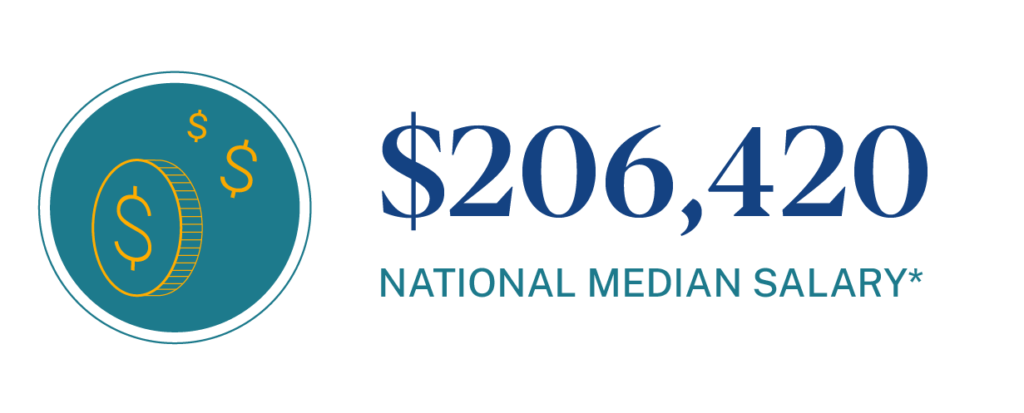
As of 2024, the median annual salary for chief executives is $206,420.*

Overall employment of top executives is projected to increase 4% from 2024 to 2034.*
*Bureau of Labor Statistics. The BLS does not classify chief learning officers as a separate occupation. Salary data is aligned with chief executive pay under top executives, which represents the closest comparable category. Accessed March 27, 2026.
FAQs
What does a chief learning officer do?
A CLO designs and leads learning initiatives, manages training and development programs, implements learning technologies and ensures employee skills development aligns with organizational needs.
How can I become a chief learning officer?
Becoming a CLO typically requires a bachelor’s degree, extensive experience in training or HR roles, leadership development, and progression into senior management positions. Advanced education is often preferred for executive roles.
What challenges do chief learning officers face?
Common chief learning officer challenges include aligning learning programs with business outcomes, measuring training effectiveness, managing organizational changes and keeping pace with evolving learning technologies.
Advance Your Career
The next level of your career is ready when you are. All you have to do is apply now!