Not long ago, earning a degree usually meant sitting in a classroom on a fixed schedule while putting other parts of life on hold. Today, that is no longer the only path.
Online education has made it possible for working professionals to get a business degree online without stepping away from their careers. However, even with the undeniable value online degrees bring to the table, one question continues to come up: Are online degrees respected when it is time to apply for a job?
If you’ve been wondering whether an online degree is worth it, you are not alone. The great news is that improvements in technology, accreditation and program design have changed how employers view online degree programs. In many cases, hiring managers focus less on how a degree was earned and more on what a candidate can do.
This blog post explores what employers really think about online business degrees, the benefits of online degree programs and how online education can support career advancement.
Key Takeaways
- Most employers today focus on accreditation and a candidate’s demonstrated skills rather than whether a degree was earned online or on campus.
- Accreditation matters most: institutional accreditation validates the school overall, while programmatic accreditation confirms a specific program (like business) meets industry standards.
- Employers increasingly prioritize practical skills, communication and real-world experience over the format in which a degree was completed.
- Online business degrees offer flexibility to keep working while studying, broader access to accredited programs regardless of location, and often lower costs than traditional on-campus options.
- When evaluating a program, look beyond accreditation to curriculum relevance (e.g., leadership, finance or strategy coursework) and the level of instructor support and structure offered.
- Both bachelor’s and online master’s business degrees can support career advancement, promotions and transitions into leadership roles when paired with real experience.
The Growing Popularity of Online Business Degrees
Online colleges and universities have expanded their offerings in recent years, making degree programs more accessible than ever. It may even surprise you that business has become one of the most popular fields for online learners, especially for those balancing work and personal responsibilities.
Flexible online courses allow students to continue working while pursuing their education. Instead of choosing between a paycheck and a degree, many students can do both at the same time.
Distance learning also removes geographic limits. Students can explore online degree programs that fit their goals without relocating. For many working professionals, this makes it easier to stay on track while building new skills.
Why Students Choose to Learn Online
Learning online is about finding a way to move forward without having to pause everything else. People value flexibility, and online learning packs enough practicality to learn in a way that fits into an already busy life. So, why do students choose this learning model?
- Flexibility to attend an online class around work schedules: Online programs allow students to complete coursework at times that work for them, whether that means studying early in the morning, late at night or between shifts. This kind of flexibility makes higher education more realistic for those with demanding schedules.
- Ability to continue working while earning a degree: Many students choose to learn online so they can keep their jobs while pursuing their education. This allows them to maintain income, build experience and apply what they are learning in real time.
- Access to programs from accredited online colleges: Online education removes geographic barriers, giving students access to a wider range of accredited institutions. This makes it easier to find programs that align with specific career goals.
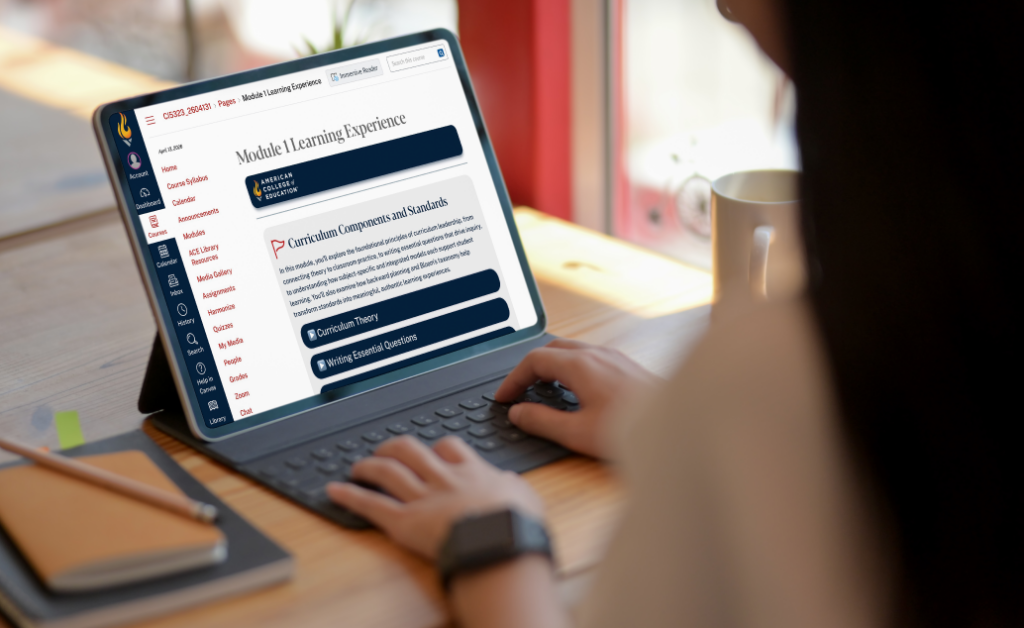
- Opportunity to learn in modern digital learning environments: Today’s online programs often use interactive platforms, structured modules and consistent communication with instructors. These features help create a learning experience that is both engaging and effective.
Are Online Degrees Respected by Employers?
A common concern is whether online degrees are respected in today’s job market. The reality is that most employers tend to focus on the credibility of the institution and the abilities of the candidate rather than the format of the degree. After all, many online programs follow the same curriculum and academic standards as traditional on-campus programs.
Keep in mind that employer perceptions of online education have shifted. What once raised questions is now widely accepted, especially when the degree comes from an accredited institution.
Accreditation Matters Most
Accreditation plays a key role in how employers evaluate degrees. There are two key forms of accreditation to consider.
First is institutional accreditation, which applies to the college or university as a whole and confirms that it meets established academic standards. Programmatic accreditation, on the other hand, focuses on specific areas of study and ensures that programs align with industry expectations. No matter how you look at it, both types of accreditation matter. So, choosing an accredited online program is one of the best ways to ensure that your degree is recognized and respected.
Skills and Experience Matter More Than Format
Employers often prioritize skills, experience and the ability to apply knowledge in real-world situations. Candidates who can demonstrate strong communication, problem-solving and leadership abilities tend to stand out.
Many online students bring current work experience into their education, which can strengthen both their learning and professional profiles. From an employer’s perspective, practical skills and proven experience often carry more weight than how a degree was completed.
Benefits of an Online Business Degree
There are many benefits of online degree programs, particularly for those pursuing careers in business. At a glance, you’ll notice that these programs are designed to support flexibility, accessibility and real-world application. Other pivotal online education strengths include:
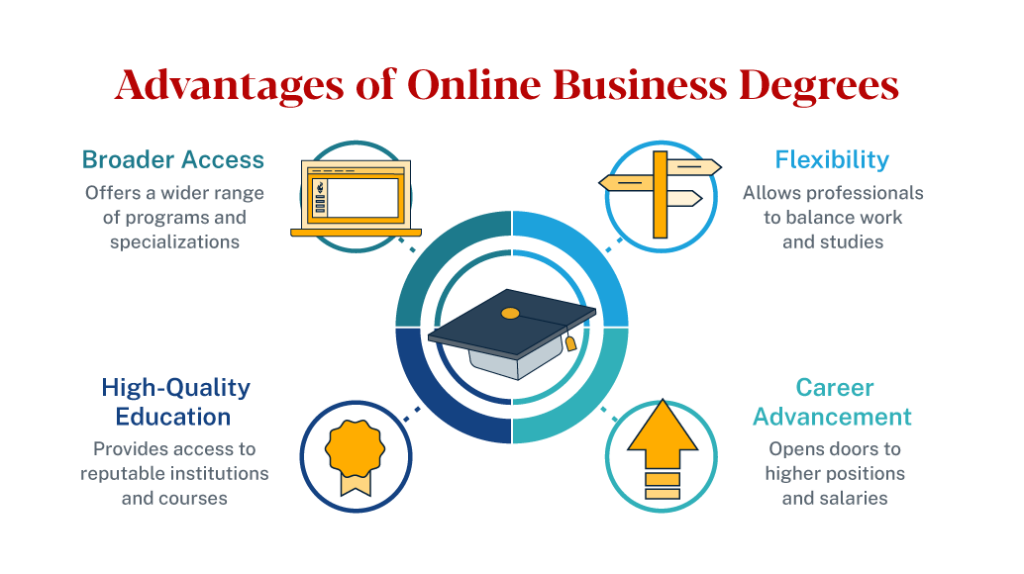
Flexibility for Working Professionals
Online learners can study while maintaining full-time jobs. Coursework is often structured in a way that allows students to complete assignments on their own schedules. This flexibility makes it possible to earn your degree without disrupting your career or personal responsibilities.
Opportunities for Career Advancement
A business degree can support career advancement in several ways. It can help professionals qualify for promotions, move into leadership roles or transition into new areas of business.
Many working professionals choose online programs because they allow them to build experience while gaining new credentials.
Access to High-Quality Education
Many institutions now deliver high quality education through online platforms. Their courses are often taught by experienced faculty and follow the same academic standards as on-campus programs. In most cases, online students can expect structured coursework, interactive discussions and practical assignments that reflect real business scenarios.
Broader Access to Programs
In the past, students were often stalled by a lack of accessibility to higher education institutions. With distance learning, these students are no longer limited by location and can choose from a wide range of online degree programs. For those interested in online business degree programs with flexible coursework, this broader access makes it easier to find a program that fits their goals.
Is an Online Degree Worth It for Business Careers?
These are questions that come up regularly. Is an online degree worth it, especially for someone building a career in business? And for those considering graduate school, is an online master’s degree worth it in the long run?
For many professionals, the answer comes down to how the degree fits into their goals. For instance, business programs are designed to develop skills in leadership, management and decision-making, all of which are relevant across industries.
Tips for Choosing a Respected Online Business Program
Not all online degree programs offer the same level of quality or support, but here are some ways to help you identify the right program for your success:
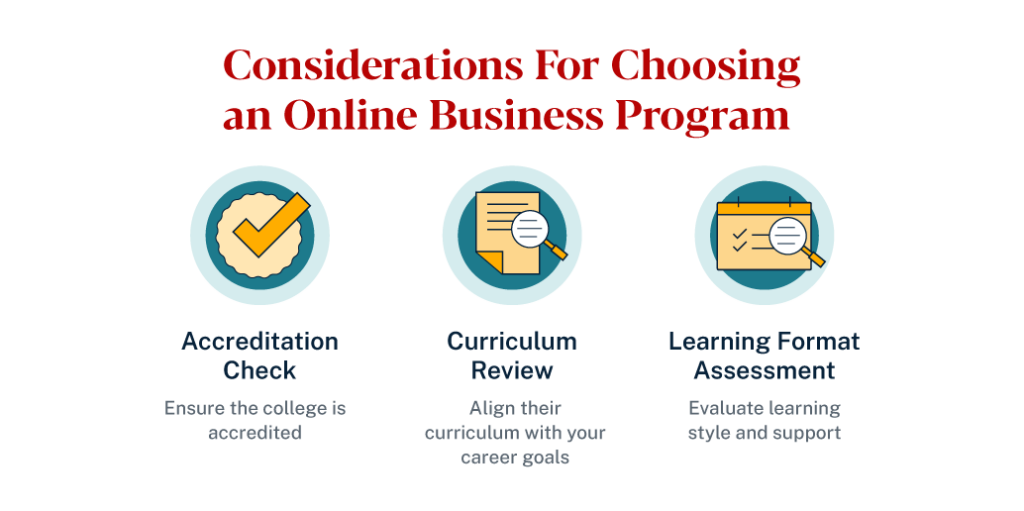
Look for Accredited Online Colleges
This is not just a technical detail – accreditation plays a direct role in how your degree is viewed by employers and other institutions.
Remember, a school with institutional accreditation has been reviewed for overall academic quality, while some programs may also carry programmatic accreditation tied to specific fields like business. Together, these signals help confirm that the education you are receiving meets recognized standards.
Review Program Curriculum
Beyond accreditation, it’s important to look closely at what you will actually be learning. A strong curriculum should go beyond general concepts and reflect the skills needed in today’s business environment. What you want is a well-designed program that feels relevant and practical.
As you review online courses, consider whether the content aligns with your goals. For example, someone interested in leadership may look for coursework in organizational behavior or team management, while others may focus on strategy, finance or entrepreneurship.
Consider Learning Format and Support
The structure of an online program can make a significant difference in your experience. Some online degree programs are designed with working professionals in mind, offering flexible pacing and clear expectations. Others may require more rigid schedules.
It is also worth looking at the level of support available to online students. Access to instructors, timely feedback and reliable learning platforms all contribute to a more effective learning environment. These elements can help you stay engaged and on track, especially when balancing multiple responsibilities.
FAQs About Online Business Degrees
Are online degrees respected by employers?
In most cases, they are! Keep in mind that today’s employers focus on accreditation, skills and experience rather than the format of the degree.
Is an online degree worth it?
For many people, it is, especially if it allows them to continue working while advancing their education. This ability to build skills without stepping away from a career can make a meaningful difference over time.
Cost is another factor that often shapes this decision. Online programs can offer a more flexible approach to tuition, which is something many prospective students take into account when comparing options. It’s important to explore how online education compares to on-campus tuition and how different models can impact overall costs.
Is an online master’s degree worth it for business professionals?
An online master’s degree can support leadership development and open new career opportunities. Whether you’re looking to bring new skills to the table or are ready to advance within your field, an online master’s degree is designed to support those goals.
What are the benefits of online degrees?
Common benefits include flexibility, accessibility, and the ability to balance education with work and personal responsibilities.
How do online business programs work?
Online programs combine coursework, digital platforms and instructor interaction to create a structured learning experience. This typically means you can learn on your own time, at your own pace.
Can working professionals earn a business degree online?
Yes, and many online degree programs are built with working professionals in mind. These programs are designed to fit around full-time jobs, making it possible to continue building experience while earning your degree.
Flexibility is a key part of that structure. Online courses often allow students to complete assignments on their own schedules, which can make it easier to manage work responsibilities, family commitments and school at the same time.
It’s Time to Get Employers’ Attention
Employer expectations have shifted. Today, hiring managers are more interested in the skills, experience and initiative a candidate brings to the role. That change has created more opportunities for professionals who choose to get a business degree online. With the right program, it is possible to build relevant knowledge, strengthen practical skills and continue gaining experience at the same time.
If you are ready to move forward in your career, American College of Education (ACE) can help you get there. Our online business degree programs are designed with the flexibility working professionals need when learning important career-relevant skills that employers are looking for.