
When we look at a thriving city, we often focus on tangible infrastructure like public parks and road systems. However, the foundation of any prosperous population is its collective wellness.
Too often, contemporary society views wellness through a reactive lens, waiting until sickness strikes before offering guidance. Public health models flip this traditional script by prioritizing proactive strategies. By ensuring accurate, evidence-based health information is easily accessible, we can empower individuals to adopt healthy behaviors that stop medical crises before they ever start.
What is public health education, and how does it drive these vital societal transformations? This blog post explores how communities, healthcare organizations and public health professionals use targeted education to support disease prevention, cultivate strong health literacy and secure improved long-term health outcomes for diverse populations
What Is Public Health Education?
To understand its local impact, we must first answer the question: What is public health education? At its core, this specialized field focuses on helping individuals and communities make informed, autonomous choices about daily well-being.
Rather than treating an active disease in a single patient within a clinical setting, public health education evaluates widespread behavioral patterns and environmental influences to address systemic health issues. Within broader public health initiatives, education acts as a foundational tool for wellness promotion, widespread disease prevention and community health improvement.
Goals of Public Health Education
The primary goals of this discipline are improving baseline medical knowledge, promoting healthy behaviors, supporting informed decision-making, and preventing avoidable illness or injury across entire zip codes.
Who Benefits From Public Health Education?
These initiatives offer direct advantages to individuals and families looking to protect their wellness. Similarly, schools, workplaces, healthcare organizations and entire communities benefit
from the reduced viral transmission that follows successful public health campaigns.
Why Is Health Education Important in Communities?
Recognizing the systemic importance of health education is essential for building a modern culture of public wellness. Structured educational outreach transitions communities away from expensive medical treatments toward lasting public empowerment, giving residents the daily agency to choose healthy lifestyles.
Improving Health Literacy
Community outreach significantly boosts health literacy, which helps people understand complex health information without confusion. When individuals interpret medical data clearly, they can make informed healthcare decisions and navigate modern medical spaces safely.
Encouraging Healthy Behaviors
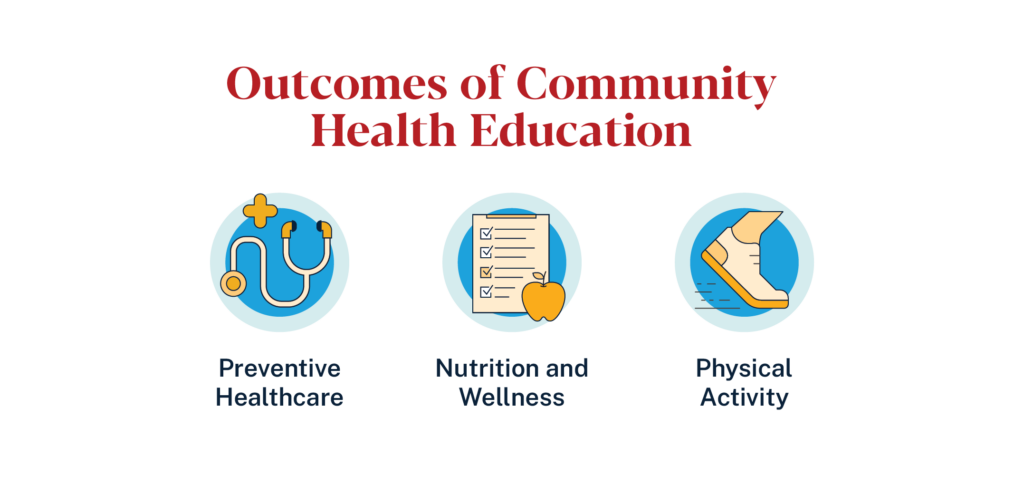
Education serves as an effective catalyst for encouraging daily lifestyle adjustments. Programs focus heavily on promoting balanced nutrition, supporting regular physical activity and encouraging preventive practices like scheduling routine wellness visits.
Supporting Better Health Outcomes
Ultimately, these lifestyle changes can translate into better long-term health outcomes. By reducing preventable illnesses and strengthening overall community health, educational initiatives dramatically elevate daily quality of life.
The Impact of Health Education in Community Settings
Bringing structured programs directly into everyday environments is the most reliable way to foster lasting behavioral change. Embedding wellness initiatives into daily spaces can help integrate health education in community environments, meeting people exactly where they live, work and learn.
Schools and Youth Programs
Teaching healthy habits early in life builds a resilient foundation for youth, supporting long-term wellness behaviors, and promoting physical and mental health awareness.
Workplace Health Education
Adults spend a massive portion of their weekly schedules at work, making corporate wellness highly impactful. These workplace programs encourage employee well-being, support healthy choices under professional stress and improve total workforce health.
Community Health Initiatives
Localized efforts address regional disparities through public awareness campaigns, accessible mobile health screenings, educational pop-up events and neighborhood health promotion programs built for underserved zip codes.
How Health Education Helps Prevent Disease
The Centers for Disease Control and Prevention frequently emphasize that primary prevention is the single most effective way to protect population well-being, highlighting why health education focuses heavily on preventing disease.
Addressing Chronic Disease Risks
A major focus of public education is reducing the global burden of chronic disease conditions like type 2 diabetes. By educating populations about behavioral risk factors, educators mitigate the long-term impact of these conditions.
Promoting Preventive Care
Programs demystify preventative care by encouraging routine cancer screenings, age-appropriate vaccinations and regular wellness visits within local clinical spaces.
Reducing Health Risks Through Education
Targeted campaigns address high-risk behavioral trends through tobacco use prevention seminars, structured nutrition workshops and neighborhood physical activity challenges.
Health Education and Mental Health Awareness
Public wellness includes both physical vitality and mental health, which is equally vital to a community’s social stability. Modern educational outreach emphasizes psychological wellness
to build complete, empathetic support networks.
Promoting Mental Health Literacy
Education helps communities understand various mental health conditions without judgment, and teaching people to recognize early signs encourages early professional intervention before a crisis occurs.
Supporting Community Well-Being
Creating supportive environments helps reduce the social stigma associated with psychological conditions while encouraging healthy coping strategies, stress-management techniques and vital social connections among neighbors.
Connecting Individuals to Resources
Education acts as an active bridge to professional services. Proactive outreach efforts ensure families are fully aware of available community programs, counseling options and mental health support networks.
Health Education and Social Determinants of Health
Clinical care accounts for only a small fraction of wellness. The rest is shaped by the social determinants of health, which are the non-medical economic and physical conditions that influence how people live and age.
Access to Health Information
Addressing systemic information gaps is crucial for achieving true wellness equity, and improving health literacy across historically marginalized populations ensures everyone has the necessary tools to stay safe.
Education and Economic Opportunities
Knowledge opens direct doors to better socioeconomic conditions, supporting informed choices that help individuals secure better long-term health outcomes.
Reducing Health Disparities
Promoting equitable access to knowledge is a core mission for modern advocates to eliminate historical health disparities among underserved populations.
The Role of Public Health Professionals in Community Education
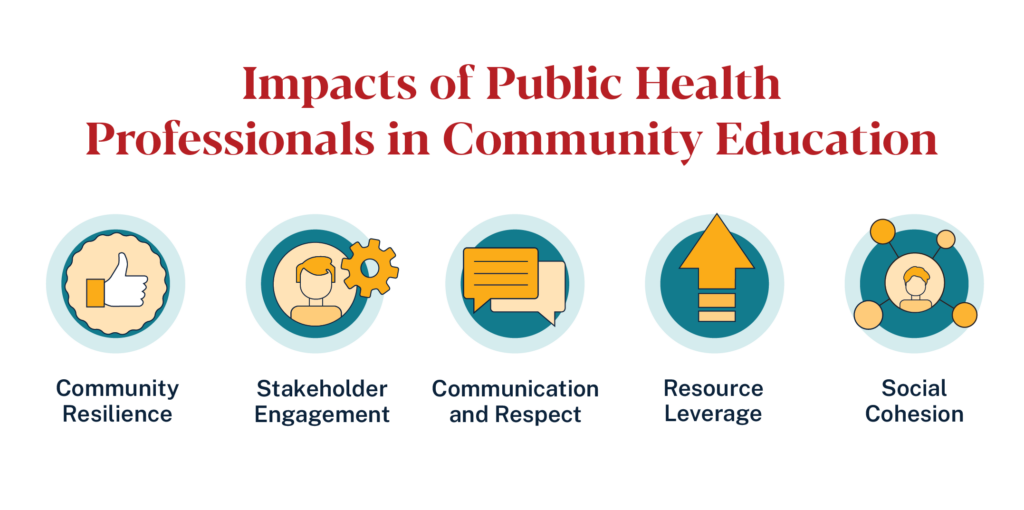
Behind every successful public campaign is a team of experts. Public health professionals play an essential role in community education, ensuring local efforts align with national goals.
Designing Health Education Programs
These experts start by carefully assessing unique community needs, developing targeted educational initiatives and building rigorous scientific mechanisms for measuring long-term program effectiveness.
Building Community Partnerships
Real change requires cross-sector collaboration, meaning professionals spend significant time collaborating with local schools, businesses and civic organizations to strengthen community engagement.
Communicating Health Information
Delivering clear, accurate and culturally competent messaging enables experts to address community health concerns and roll out persuasive public awareness campaigns.
How to Teach Health Education in Community Settings
Knowing the theory is one thing, but understanding how to teach health education in community environments requires a practical, hands-on methodology tailored to regional needs.
Understanding the Community
Educators must first identify local health concerns and assess specific educational needs by deeply considering cultural, linguistic and demographic factors before launching any initiative.
Using Accessible Communication Methods
Using plain-language health information is non-negotiable for overcoming literacy barriers through interactive community workshops, public presentations and strategic digital outreach.
Encouraging Community Participation
Building trust with local populations requires creating interactive learning opportunities that encourage active resident engagement.
The Future of Community Health Education
Emerging trends continue to reshape how information is shared across modern health systems. Technology and innovation are rapidly expanding access to critical knowledge, making it easier to reach vulnerable populations.
Digital Health Education
The internet has revolutionized public outreach through online health resources, virtual educational programs and specialized mobile health applications that allow individuals to access wellness guidance instantly from home.
Data-Driven Public Health Initiatives
Modern software allows professionals to identify specific neighborhood needs with precision, assisting in measuring program effectiveness and improving public resource allocation.
Expanding Community Partnerships
The future relies on cross-sector collaboration and public-private health initiatives to pool resources, ultimately strengthening local health systems against emerging public crises.
FAQs
How does health education support emergency preparedness in communities?
Educational programs train residents on emergency response protocols and distribution networks, ensuring local populations react safely during a pandemic.
What challenges can communities face when implementing health education programs?
Communities frequently encounter operational obstacles such as limited funding, deep-rooted cultural distrust and language barriers.
How can health education help address misinformation about health topics?
By consistently delivering transparent, evidence-based data through trusted channels, education effectively neutralizes harmful medical myths.
What role do community leaders play in health education efforts?
Local leaders act as critical cultural bridges who validate public health messaging and encourage active resident participation.
How is community health education evaluated for success?
Programs measure success by tracking long-term statistical shifts, including decreased disease rates and improved public health literacy surveys.
Can health education influence healthcare costs over time?
By successfully reducing emergency room admissions through proactive lifestyle changes, community education can significantly lower financial strain on public health systems.
If you are inspired to step into the vital field of public health and drive positive change, American College of Education (ACE) offers affordable degree programs tailored to your professional aspirations, including a Bachelor of Science in Healthcare Administration, Master of Public Health and Master of Education in Health and Wellness Education.