Career Guide: Patient Educator
Here’s what you need to know.
Toggle Navigation
Our Enrollment Counselors are here to answer your questions and walk you through the enrollment process.
Patient Educator Career Overview
Working in the healthcare industry does not necessarily mean working at the bedside. Many professionals play a critical role in helping patients understand their health, treatment options and steps they can take to improve their well-being. One of the most impactful roles in this space is a patient educator.
Patient educators focus on making complex health information clear, accessible and actionable. They work closely with patients, families and healthcare professionals to support better decision-making and stronger health outcomes. Whether explaining a diagnosis, guiding someone through a treatment plan or leading a community health education program, these professionals help bridge the gap between medical knowledge and everyday understanding.
If you are interested in health education, communication and helping others take control of their health, becoming a patient educator can be a meaningful and rewarding path. Learn more about what a patient educator does, how to become one and the opportunities available in this growing field.
What Is a Patient Educator?
A patient educator is a specialized health educator who helps individuals understand medical conditions, treatment options and healthy behaviors. If you’re looking at administrative healthcare roles, you might wonder, “What is a patient educator” or “What is patient education?” The answer centers on communication and empowerment.
Patient education refers to the process of providing individuals with the knowledge and tools they need to make informed decisions about their health. This effort translates complex medical information into language that patients can understand, helping improve health literacy and long-term outcomes.
What Does a Patient Educator Do?
Patient educators help individuals understand their health and take actionable steps to improve it. Sometimes, their role is confused with public health educators, whose focus is on the health and wellness of populations and communities versus one-on-one patient education. They do overlap in areas like promoting disease prevention or wellness initiatives.
Core Duties and Responsibilities
Patient educators are involved in a variety of activities that support both patients and healthcare teams. These responsibilities often include:
- Assessing patient understanding and health literacy
- Developing and delivering patient education materials
- Explaining diagnoses and treatment options
- Conducting workshops or one-on-one education sessions
- Supporting disease prevention and health promotion initiatives
- Collaborating with healthcare professionals and registered nurses
Work Environment Variations
Patient educators can work in several different settings depending on their focus and background. Common environments include:
- Hospitals
- Clinics
- Public health departments
- Community health education programs
- Nonprofit health organizations
Skills & Traits That Make a Successful Patient Educator
Patient educators must combine strong interpersonal skills with technical knowledge to effectively support patients.
Essential Soft Skills
Success in this role often depends on your ability to connect with diverse populations and communicate clearly. Important soft skills include:
- Communication and public speaking
- Empathy and cultural competence
- Critical thinking
- Adaptability
- Ability to promote health across different communities
Important Technical Skills
In addition to soft skills, patient educators rely on technical knowledge to deliver accurate and effective health education. Some of the most important technical skills are:
- Knowledge of health information systems
- Understanding of community health education principles
- Research and data interpretation
- Curriculum development
How These Skills Apply on the Job
These skills are used daily to create accessible materials, lead group sessions and translate complex medical terminology into language patients can understand. Strong skills allow patient educators to improve patient confidence and engagement.
Patient Educator Education Requirements
If you are exploring how to become a health educator specializing in patient care, building a strong educational foundation is one of the most important steps. Most patient educator roles require at least a bachelor’s degree. Common fields of study include:
- Health education
- Public health
- Healthcare administration
How to Become a Patient Educator: Step By Step
Becoming a patient educator involves more than meeting basic requirements. It is a process of building knowledge, gaining real-world experience and developing the skills needed to support patients in meaningful ways.
- Earn a Relevant Degree
The first step is earning a degree in a healthcare-related field. Most employers look for candidates with a background in health education, public health or healthcare administration.
- Gain Experience in Healthcare or Community Health
Education alone is not enough. Patient educators must be able to apply what they know in real-world settings. Gaining hands-on experience allows you to see how healthcare professionals interact with patients and how health information is delivered in practice.
This experience can come from internships in hospitals, volunteer work in community health education programs or an entry-level role like patient care coordinator. - Pursue Certification
Once you have built a foundation of education and experience, pursuing certification can strengthen your resume. The Certified Health Education Specialist (CHES) credential is one of the most recognized options in the field and demonstrates your ability to apply health education principles in professional settings.
Continuing education, like through a micro-credential program, in health promotion and public health educator competencies can also become powerful assets as you continue to seek career growth. - Apply for Patient Educator or Health Educator Roles
With the right combination of education, experience and certification, you can apply for roles in hospitals, clinics, public health departments and community organizations. At this stage, it is important to highlight both your technical knowledge and your ability to communicate effectively with patients.
- Advance With a Graduate Degree
As you gain experience, you may choose to pursue a graduate degree to expand your career opportunities. A master’s degree can prepare you for leadership roles in public health education, program management or healthcare administration.
Programs such as a Master of Healthcare Administration or a Master of Public Health can help you deepen your expertise, strengthen your leadership skills, and position yourself for advancement in health promotion and community health education.
Day-in-the-Life & Real-World Scenarios
A Typical Workday
A patient educator’s day often involves a mix of:
- Direct patient interaction, preparation and collaboration with healthcare professionals
- Reviewing patient cases or care plans
- Meeting with individuals or families to explain diagnoses, medications or treatment options
- Preparing educational materials, updating resources, or coordinating with registered nurses and physicians
No two days are exactly the same, but the focus remains on helping patients feel informed and empowered in their care.
Real-World Examples
In practice, patient educators apply their skills in situations that require both knowledge and empathy. For example, you might meet with a patient who has recently been diagnosed with diabetes and walk them through lifestyle changes, medication routines and long-term management strategies. By breaking down complex information into manageable steps, you help reduce confusion and build confidence.
In another scenario, you could lead a community health education seminar focused on prevention, such as heart health or nutrition. These sessions allow you to promote health on a broader scale while addressing common questions and concerns from the community.
What Success Looks Like in the Role
Success as a patient educator is not always measured by numbers alone. It’s reflected in the moments when patients feel more confident, ask informed questions or take an active role in their care.
For example, a patient who once felt overwhelmed by a diagnosis may begin to follow their treatment plan more consistently after receiving clear guidance. Over time, these small improvements contribute to better patient outcomes, increased health literacy, and stronger collaboration between patients and healthcare teams.
Available Degree Programs
Whether you are just starting out or looking to advance, choosing the right program can help you build the knowledge, confidence and practical skills needed to support patients and promote health effectively.
- B.S. in Healthcare Administration
- Master of Healthcare Administration
- Master of Public Health
- Ed.D. in Public Healthcare Education
Career Outlook & Growth
The United States Bureau of Labor Statistics classifies patient educators within the broader category of health education specialists and community health workers. These professionals focus on delivering health education and promoting wellness in both clinical and community settings.
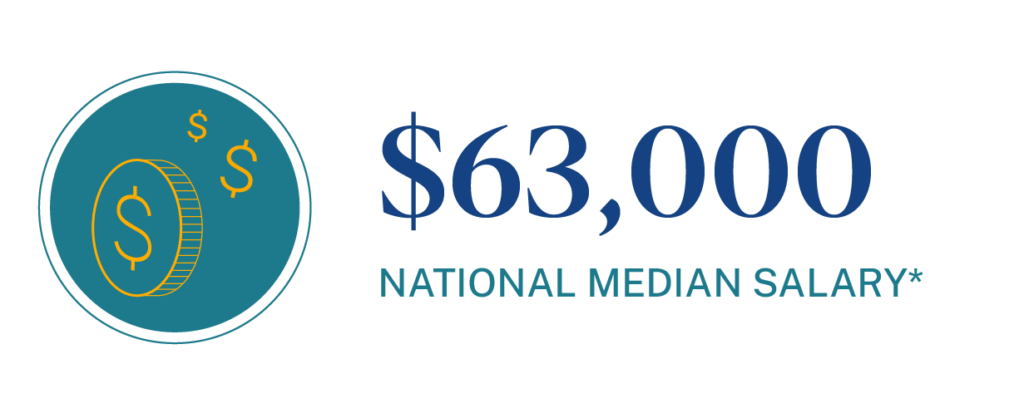
According to the BLS, health education specialists earn a median annual salary of approximately $63,000 as of May 2024.* Education plays a key role in earning potential. Building a strong academic foundation can equip and qualify you for higher-paying roles and long-term career growth.
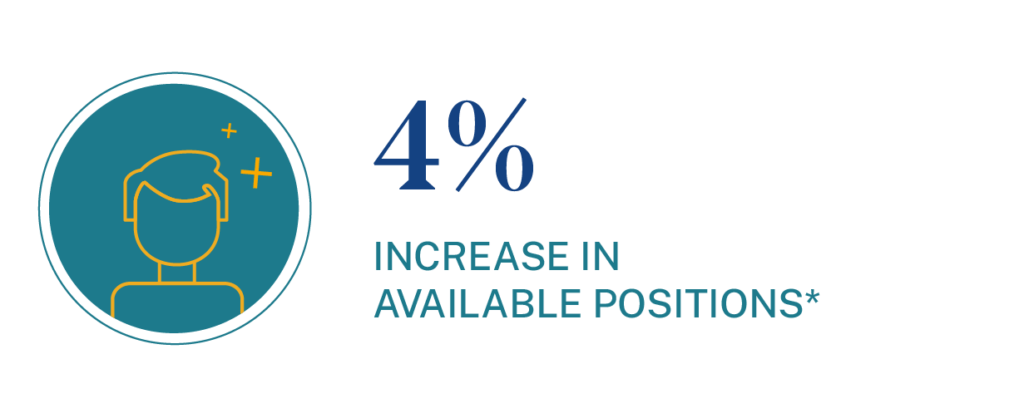
As healthcare systems place greater emphasis on prevention, chronic disease management and patient engagement, the role of patient educators becomes increasingly important. In fact, according to the BLS, roughly 7,900 job openings can be expected each year from 2024 to 2034, a 4% increase.*
FAQs
Is certification required to work in patient education?
Certification is not always required but can strengthen your qualifications and improve job opportunities.
What settings do patient educators typically work in?
Patient educators work in hospitals, clinics, public health departments and community organizations.
How can I become a health educator?
You can become a health educator by earning a relevant degree, gaining experience and pursuing certifications such as CHES.
Your Career in Healthcare Can Begin Today
A career as a patient educator offers the opportunity to make a lasting difference in how individuals and communities understand and manage their health. As healthcare systems continue to prioritize prevention, health promotion and patient-centered care, the need for skilled educators continues to grow.
At ACE, flexible coursework and career-focused programs are designed to support working professionals and aspiring healthcare leaders. From micro-credentials to advanced degrees, these programs can help you expand your expertise and prepare for roles that promote health and improve lives. Take the next step toward becoming a patient educator today.