
Career Guide: Medical Billing and Coding Specialist
Here’s what you need to know.
Toggle Navigation
Our Enrollment Counselors are here to answer your questions and walk you through the enrollment process.
Career Overview: Medical Billing and Coding Specialist
When a patient visits a hospital or doctor’s office, much more happens behind the scenes than the appointment itself. Every diagnosis, procedure and treatment must be carefully documented, translated into standardized codes, and submitted to insurance providers so healthcare organizations can receive proper reimbursement. This critical process is managed by professionals trained in medical billing and coding.
Medical billers and coders help healthcare facilities keep their financial systems running smoothly while ensuring patient records remain accurate and compliant with industry regulations. Their work connects medical documentation, insurance systems and healthcare administration, making them an essential part of the modern healthcare industry.
If you are exploring a healthcare career that combines organization, analytical thinking and attention to detail, becoming a billing and coding specialist may be worth considering. This guide explains billing and coding, what medical coders do, the responsibilities of a medical billing specialist, and how to become a medical coder.
What Is Billing and Coding?
Many people entering healthcare administration often ask, what is billing and coding, and why is it so essential to healthcare operations?
Medical billing and coding refers to the process of translating patient diagnoses, treatments and procedures into standardized codes used by insurance companies and healthcare systems. These codes allow healthcare providers to communicate information clearly and ensure services are properly documented and reimbursed.
While the roles are closely related, medical billing and coding involve two distinct responsibilities. Medical coders review patient charts and clinical documentation to assign codes that represent diagnoses, treatments and procedures. These codes are based on systems such as ICD-10, CPT and HCPCS. On the other hand, billing specialists use codes to submit insurance claims, verify coverage, and manage payments from insurance companies and patients.
Together, medical billers and coders support the healthcare revenue cycle by ensuring accurate documentation, regulatory compliance and proper reimbursement for healthcare services. Their work helps healthcare facilities maintain efficient operations while supporting quality patient care.
What Do Medical Coders Do?
To understand what medical coders do, it is helpful to look at their daily responsibilities within healthcare systems. To start, medical coders analyze medical records and translate clinical information into standardized coding systems used for insurance claims and reporting. These professionals play a critical role in maintaining accurate patient documentation and ensuring healthcare providers are reimbursed for services.
Common medical coder responsibilities include:
- Reviewing patient records, physician notes and diagnostic reports
- Assigning standardized codes such as ICD-10, CPT and HCPCS
- Ensuring documentation meets regulatory and compliance standards
- Communicating with healthcare providers to clarify patient information
- Collaborating with billing teams to support insurance claims
Medical coders often work in a variety of healthcare facilities including hospitals, medical offices, outpatient clinics and insurance companies. Many of them also work remotely as healthcare organizations adopt digital health records and electronic billing systems.
Successful coders offer strong attention to detail, analytical skills and knowledge of medical terminology. These abilities help ensure coding accuracy and compliance with healthcare regulations.
What Does a Medical Billing Specialist Do?
While coders focus on translating medical documentation into standardized codes, a medical billing specialist manages the financial side of the healthcare revenue cycle. Billing specialists ensure healthcare providers receive payment for services by submitting and managing insurance claims. Their work helps healthcare organizations maintain steady revenue and resolve payment issues with insurance companies.
Key responsibilities of billing specialists include:
- Submitting insurance claims to health insurance providers
- Verifying patient insurance coverage before services are billed
- Following up on unpaid or denied claims
- Managing patient billing statements and payment plans
- Resolving discrepancies between providers and insurance companies
By ensuring claims are accurate and submitted correctly, billing specialists help healthcare facilities maintain financial stability while allowing medical professionals to focus on patient care.
Education and Certification Requirements
Entering the field of medical billing and coding typically begins with education or professional training related to healthcare administration or health information management. Although certification is not always legally required, many employers prefer candidates who have completed professional certification exams. Certification demonstrates knowledge of healthcare systems, coding procedures and compliance standards.
Two of the most widely recognized certifying organizations include:
- Professional Coders AAPC
- American Health Information Management Association (AHIMA)
Additionally, common certifications in the field include:
- Certified Professional Coder (CPC)
- Certified Coding Specialist (CCS)
Earning certification can improve job prospects and support long-term career advancement in the healthcare industry. It’s important to remember that no two paths toward a career in medical billing and coding have to be the same.
Some individuals prepare for this career after earning a high school diploma, while others pursue certificate or healthcare-related degree programs that deepen their knowledge of healthcare systems and medical documentation.
Key Skills for Success
A successful billing and coding specialist combines technical knowledge with strong organizational and analytical skills. The most important skills include:
- Attention to detail: Coding accuracy is essential for correct reimbursement and compliance
- Analytical thinking: Reviewing medical documentation requires careful evaluation of clinical information
- Medical terminology knowledge: Understanding diagnoses and procedures helps ensure accurate coding
- Coding software familiarity: Many healthcare facilities rely on digital systems to manage records and claims
- Communication skills: Billing specialists and coders work with providers, insurance companies and administrative staff
- Time management: Professionals must process multiple claims and records efficiently
Available Degree Programs
Education in healthcare administration or health information management can strengthen career opportunities in billing and coding. These programs help students develop knowledge of healthcare systems, organizational leadership and healthcare policy. Understanding how healthcare facilities operate can prepare professionals to manage billing operations, insurance processes and administrative workflows. Relevant degree programs that support careers in healthcare administration include:
Salary and Job Outlook
Professionals working in medical billing and coding are part of a broader occupation category known as medical records specialists, which includes roles such as medical coders, health information technicians and billing specialists.
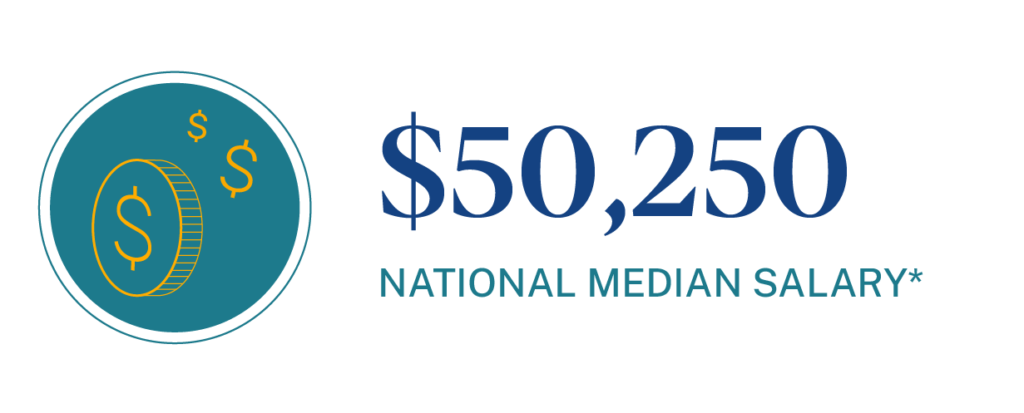

*Bureau of Labor Statistics. BLS classifies medical billing and coding under medical records specialists. Accessed March 10, 2026.
FAQs
What is billing and coding in healthcare?
Medical billing and coding is the process of translating patient diagnoses and procedures into standardized codes used for insurance claims and healthcare documentation.
What do medical coders do on a daily basis?
Medical coders review patient records, assign medical codes and ensure documentation complies with healthcare regulations and insurance requirements.
How long does it take to become a medical coder?
Some professionals enter the field after completing certificate programs or specialized training that may take less than a year. Others pursue associate or bachelor’s degrees in healthcare related fields.
Do you need certification to work as a medical billing specialist?
Certification is not always required, though many employers prefer candidates who hold credentials such as CPC or CCS.
Your Career in Medical Billing and Coding Starts Here
Medical billing and coding specialists play an essential role in the healthcare system by ensuring accurate documentation, insurance reimbursement and compliance with healthcare regulations. Their work supports the financial health of healthcare facilities while helping providers focus on delivering quality patient care.
If you are interested in a healthcare career that combines organization, analytical thinking and administrative expertise, medical billing and coding can offer a rewarding path. American College of Education can help you develop the healthcare administration and organizational leadership skills needed to support growing healthcare systems. Build the knowledge and experience needed to succeed in this important healthcare career today.