Career Guide: Community Health Worker
Here’s what you need to know.
Toggle Navigation
Our Enrollment Counselors are here to answer your questions and walk you through the enrollment process.
Career Guide: Community Health Worker
Communities shape our lives by giving us a sense of belonging, pride and responsibility to the people around us. They also thrive when people have access to reliable healthcare information, supportive services and trusted advocates who understand local needs.
This is where community health workers make a difference, working closely with families and community members to promote healthy behaviors, increase awareness of available services and guide people as they navigate healthcare systems.
For many, community health workers become trusted guides who help them understand treatment options, find health programs and build confidence in managing their wellness. Their efforts support stronger neighborhoods and better long-term outcomes for the communities they serve.
If you are interested in a career that combines public service, healthcare advocacy and community outreach, becoming a community health worker can offer a meaningful path forward. This guide explores what community health workers do, how to become one and what the current job market looks like for this important profession.
What Is a Community Health Worker?
A community health worker is a frontline public health professional who helps individuals and families access healthcare resources and improve their overall well-being. They build relationships with local residents and develop a strong understanding of the community. Understanding regional needs positions them to identify local issues and respond with culturally appropriate support.
What Does a Community Health Worker Do?
Community health workers’ main responsibilities focus on outreach, education and service coordination strategies that help individuals access the care they need.
Core Duties and Responsibilities
Community health workers perform a wide range of tasks that support both individuals and healthcare organizations. Core responsibilities often include:
- Conducting community education programs about preventive health and wellness
- Helping individuals navigate health and social services within their local area
- Providing informal counseling and social support for individuals and families
- Helping residents facilitate access to health services such as screenings, clinics and treatment programs
- Addressing community health issues using approaches that reflect quality and cultural competence
- Advocating for community needs within healthcare systems and local public health programs
Work Environments
Community health workers work in a variety of healthcare and social service settings, including:
- Public health departments
- Nonprofit organizations
- Hospitals and clinics (similar to a patient care coordination role)
- Community-based organizations
- Government agencies
Skills & Traits For a Successful Community Health Worker
Success in the community health worker profession requires both interpersonal skills and practical knowledge of healthcare systems. Because community health workers often serve as trusted connectors between residents and healthcare providers, they must build strong relationships while managing complex service coordination tasks.
Essential Soft Skills
Several interpersonal traits are paramount for effective community health work. These include:
- Strong understanding of the populations within the community
- Communication and active listening skills
- Cultural competence and respect for diverse backgrounds
- Empathy and relationship building
- Advocacy skills that effectively represent community needs
Important Technical Skills
In addition to interpersonal abilities, professionals benefit from practical healthcare knowledge such as:
- Familiarity with public health systems and community programs
- Experience delivering health education and outreach initiatives
- Basic data collection and reporting for program tracking
- Knowledge of health training programs and healthcare resources
Community Health Worker Education Requirements
Understanding community health worker education requirements is an important step for anyone considering this career path. Requirements can vary depending on the employer, state regulations and specific healthcare settings.
Minimum Education Requirements
Some entry-level roles require a high school diploma or equivalent combined with employer training programs. These programs often focus on community outreach methods, healthcare navigation and communication strategies.
Preferred Education Pathways
While entry-level roles may not always require a college degree, many employers prefer candidates who have completed an associate or bachelor’s program related to healthcare or public health.
Certifications and Training Options
Some states offer certification programs for community health workers with targeted training in:
- Cultural competence
- Community outreach strategies
- Preventive health education
Continuing education helps you stay informed about emerging community health issues and evolving public health strategies.
How to Become a Community Health Worker: Step-by-Step
While pathways may vary, the process of becoming a community health worker typically follows several common steps.
When it comes to how to become an educational consultant, there are various pathways to get there. However, you can generally follow these steps:
- Meet Basic Education Requirements
Begin by completing basic education requirements or pursuing healthcare training programs that build foundational knowledge of community health.
- Complete Health Training Programs
Many employers offer structured health training programs that teach community outreach strategies, patient education methods and healthcare navigation skills.
- Gain Experience in Community Settings
Many aspiring community health workers gain experience through volunteer work with nonprofit organizations, public health outreach programs, or social service or healthcare support roles.
- Apply for Community Health Worker Roles
Once you gain relevant experience and training, you can pursue positions with hospitals, public health departments, nonprofit organizations or community clinics.
- Optional: Advance With Higher Education
Some professionals continue their education to pursue leadership roles in public health or healthcare management.
Day-in-the-Life & Real-World Scenarios
A Typical Workday
A typical day for a community health worker often includes a mix of outreach education and coordination tasks such as:
- Visiting community members to discuss health needs
- Coordinating health education workshops or informational sessions
- Documenting outreach activities and tracking service referrals
Real-World Examples
Community health workers may support individuals in many ways, including:
- Assisting a family in scheduling preventive health screenings
- Organizing a neighborhood workshop on nutrition or disease prevention
What Success Looks Like in the Role
Successful community health programs often lead to measurable improvements such as:
- Increased community awareness about preventive care
- Improved access to healthcare resources
- Better health outcomes across communities
Community Health Worker Salary & Job Outlook
Understanding the community health worker salary potential can help you evaluate long-term career opportunities in this field.
Salaries for community health workers may vary depending on location, healthcare system size and regional demand for public health services. It’s important to note that urban areas or regions with large healthcare networks may offer higher salary ranges.
Demand for community health workers continues to grow as healthcare systems place greater emphasis on preventive care, community outreach and population health management. Employment for community health workers is projected to grow by 11% from 2024 to 2034, with roughly 7,800 job openings available each year. *
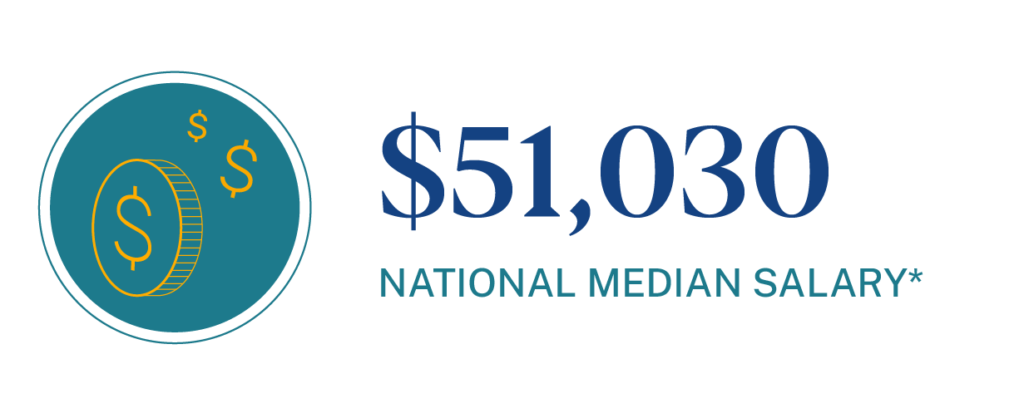
As of May 2024, the median annual pay for community health workers is $51,030.*
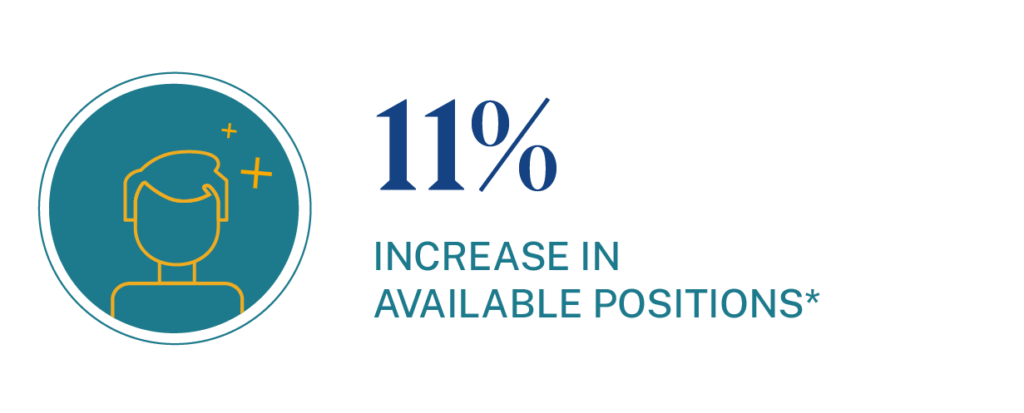
From 2024 through 2034, employment for community health workers is projected to grow by 11%.*
FAQs
What is a community health worker?
A community health worker is a frontline public health professional who helps people connect with healthcare resources.
What does a community health worker do?
Community health workers educate communities about health topics that help residents navigate healthcare systems and access services that support preventive care and treatment.
How can I become a community health worker?
Individuals interested in this career typically complete basic education requirements and gain experience through community outreach roles and relevant training programs.
What are community health worker education requirements?
Education requirements vary by employer. Some positions require only a high school diploma and training, while others prefer candidates with associate or bachelor’s degrees in healthcare or public health.
How much does a community health worker make?
Salary levels vary depending on location experience and education. However, the median annual pay for community health workers is $51,030 as of May 2024.*
*Bureau of Labor Statistics. Accessed March 16, 2026.
A Rewarding Career That Gives Back to Your Community
Communities need dedicated professionals who understand local challenges and are committed to improving access to healthcare. If you are interested in making a difference in the health of your community, pursuing education in healthcare or public health can help you build the skills needed for this rewarding career. Get started today and help improve health outcomes for the people who need it most.